The Distinction In Between Assisted Living and Experienced Nursing
Business Name: BeeHive Homes of Volcano Cliffs
Address: 6230 Montaño Rd NW, Albuquerque, NM 87120
Phone: (505) 302-1919
BeeHive Homes of Volcano Cliffs
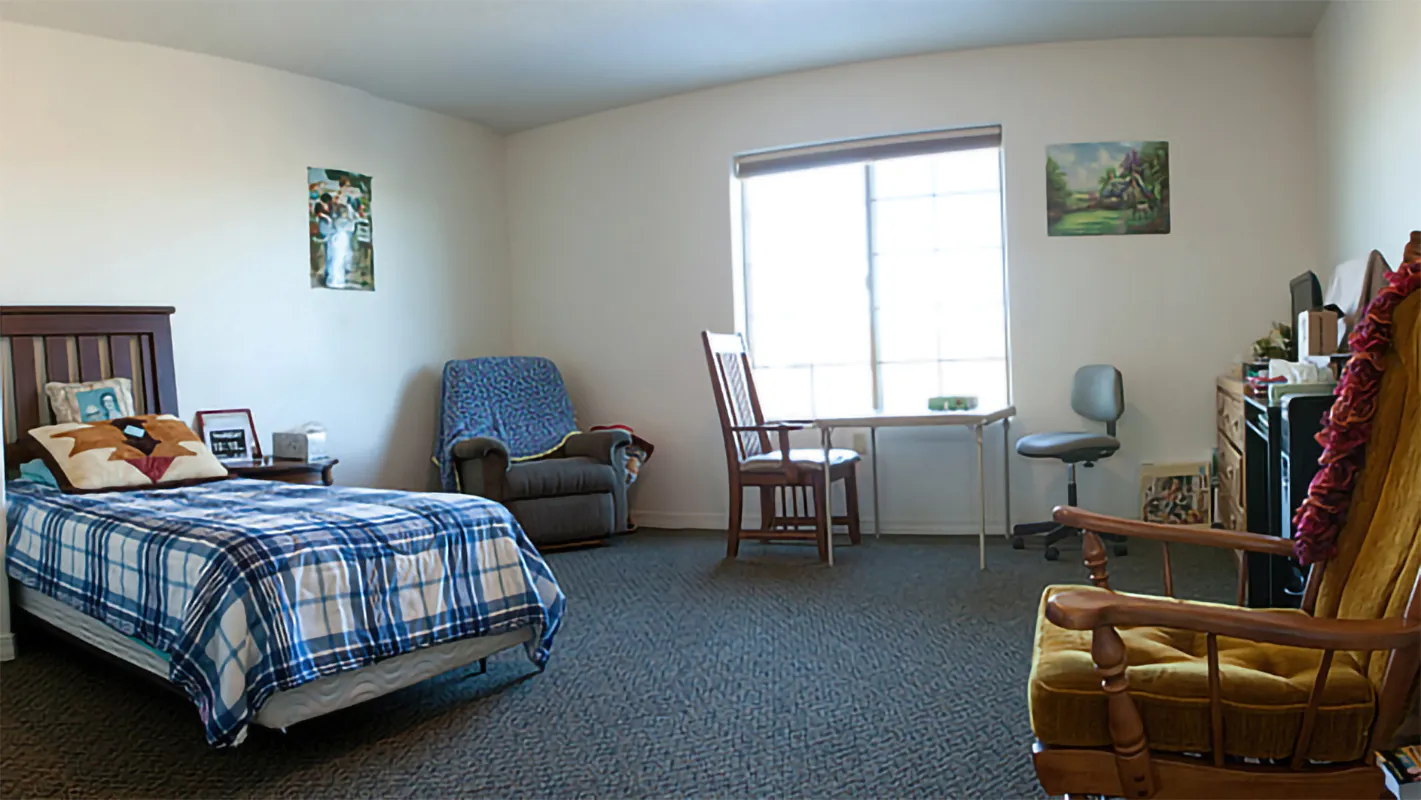
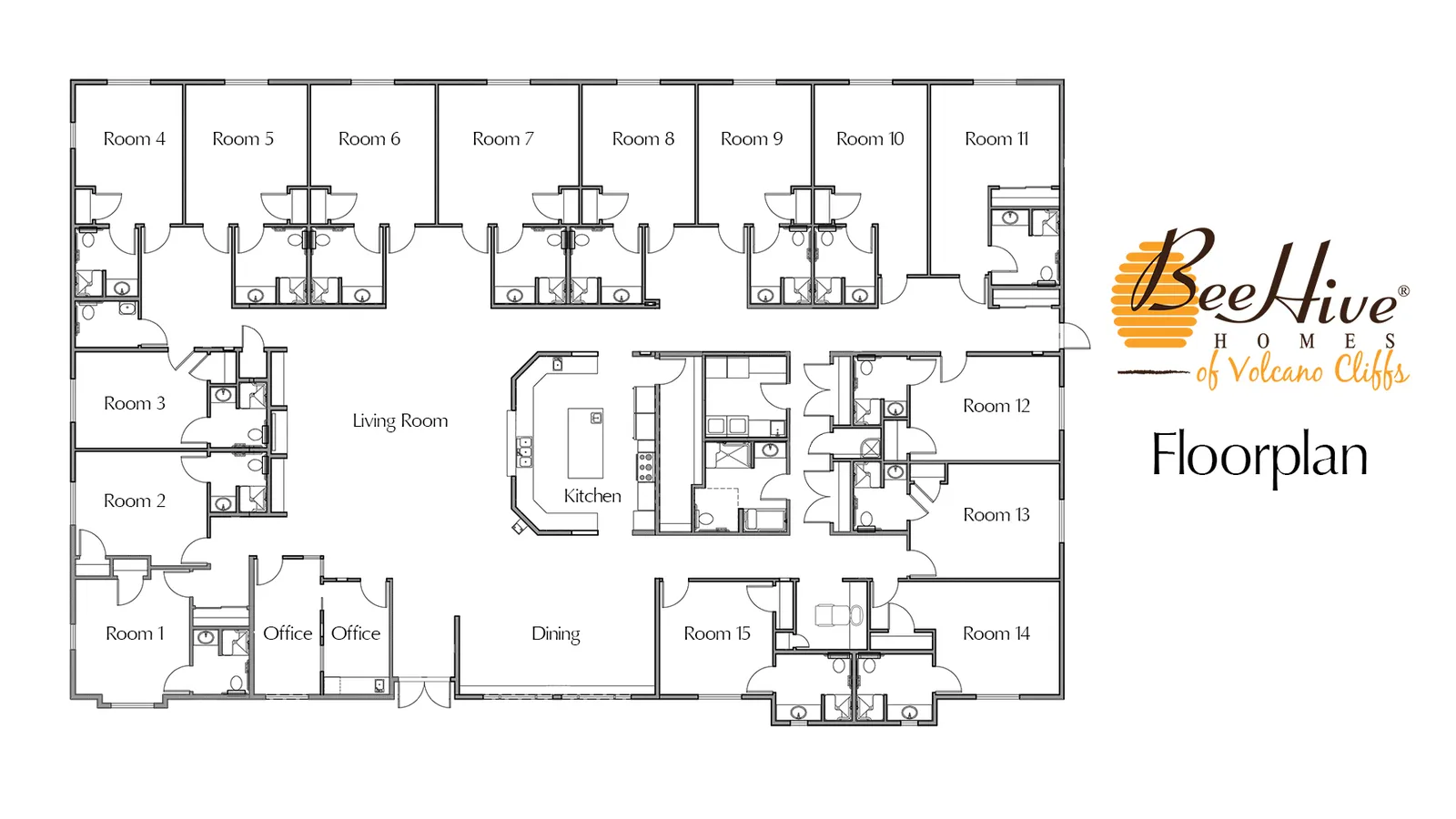
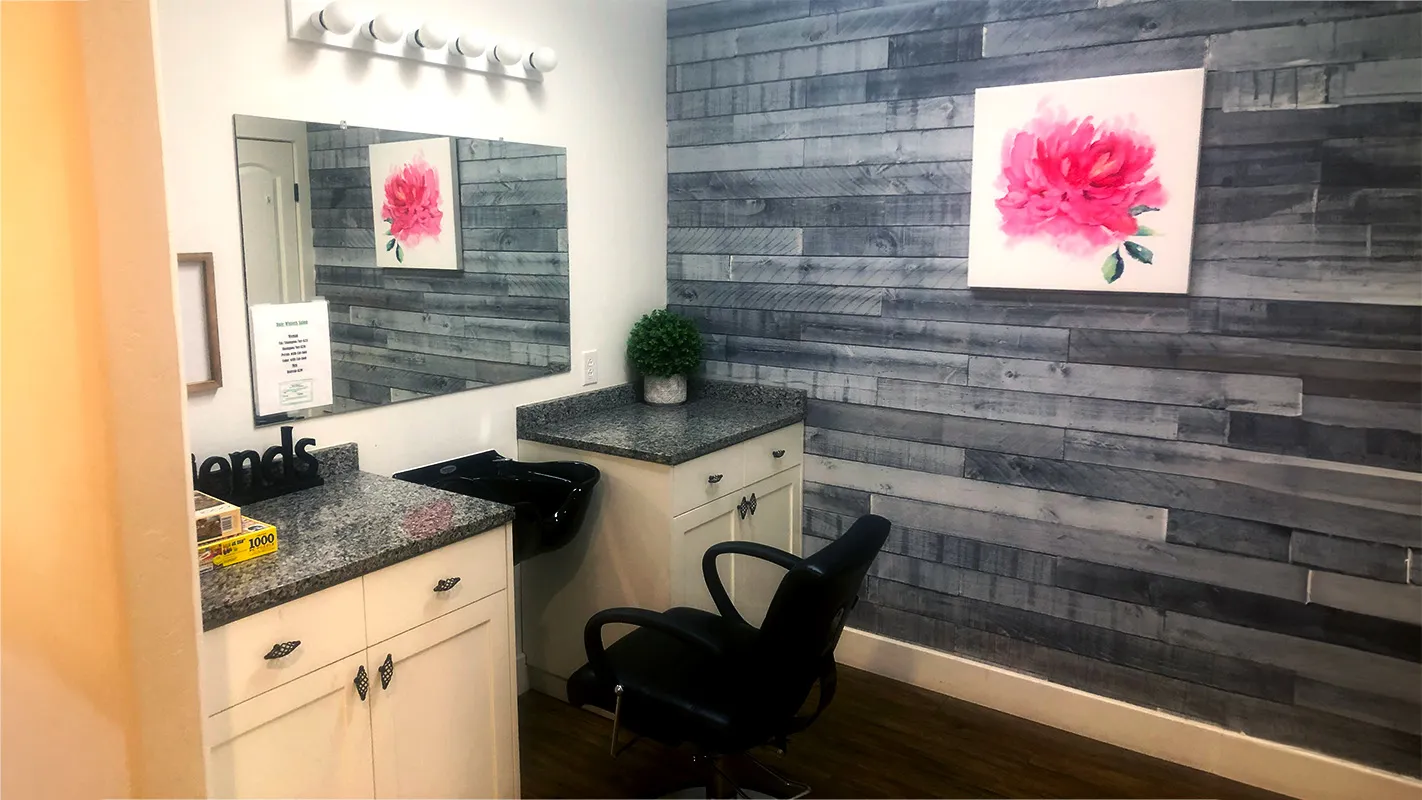
At BeeHive Homes of Volcano Cliffs, New Mexico, we offer the finest assisted living experience available in a cozy, comfortable homelike setting. Each of our residents has their own spacious room with an ADA approved bathroom and shower. We prepare and serve delicious home-cooked meals three times a day every day. We maintain a small, friendly elderly care community. We provide regular activities that our residents find fun and contribute to their health and well-being. Our staff is attentive and caring and provides assistance with daily activities to our senior living residents in a loving and respectful manner. We would like to invite you to tour and experience our assisted living home and feel the difference.
6230 Montaño Rd NW, Albuquerque, NM 87120
Business Hours
Families typically begin contrasting care options at the exact same minute life obtains extra complicated. A parent misses out on medications, has an autumn, gets home from the medical facility weaker than in the past, or simply can not keep up with dishes, bathing, and your house any longer. That is when the search begins for senior care near me, and 2 terms show up over and over: assisted living and proficient nursing.
The complication is easy to understand since both are senior living choices, both can aid older adults stay safer, and both rest under the more comprehensive umbrella of senior care. Yet they are built for very different demands. The incorrect option can indicate spending for more care than somebody needs, or, equally as problematically, inadequate support for an individual whose wellness is changing fast.
The difference issues because it forms the pace of the day, the level of medical oversight, the price, and even the kind of self-respect a person can preserve. One setting is created for assistance with daily life. The other is made for medical recuperation and heavy hands-on care. That distinction appears simple theoretically, however in the real world it gets obscured by marketing language and by the natural hope that a loved one will "enhance enough" to fit someplace less extensive. Sometimes that takes place. Occasionally it does not.
What assisted living is actually for
Assisted living is suggested for older grownups that need help with daily tasks but do not need round-the-clock nursing. Homeowners in assisted living typically can navigate by themselves or with some aid, and they do not need consistent clinical guidance. What they do require is dependable support with the activities that end up being harder with age.
That commonly includes aid with showering, clothing, grooming, drug tips, meals, housekeeping, transport, and perhaps a little supervision to avoid missed visits or unsafe circumstances. For lots of households, assisted living uses an equilibrium that is difficult to reproduce in the house. It protects personal privacy and freedom while lowering the problem of day-to-day tasks and safety concerns.
A good assisted living community really feels residential, not professional. Dishes are offered in dining rooms, there might be social activities, and locals typically have private or semi-private homes. The goal is to maintain life as regular as feasible, with simply adequate support to prevent the small failings from piling up into significant risks.
I have seen family members postpone this relocation due to the fact that they presume it suggests "giving up freedom." In method, it usually does the contrary. A person who is spending the majority of the day alone, consuming irregularly, missing medications, and fretting about the staircases at home is not living separately in any significant sense. Assisted living can restore structure and confidence.
What experienced nursing is constructed to do
Skilled nursing is a greater level of care. It is developed for people who require clinical interest and hands-on nursing assistance on a daily basis, occasionally several times a day. This is the setting individuals often need after a hospitalization, a major surgery, a stroke, a major fall, a challenging infection, or an unexpected decrease in function.
Unlike assisted living, proficient nursing is staffed by certified nurses around the clock, with care strategies that include straight professional oversight. Homeowners may require wound care, shots, tube feeding, oxygen monitoring, IV treatment, rehabilitation solutions, or help with nearly all activities of daily living. Some residents stay only short-term while they recuperate. Others require longer stays due to the fact that their clinical requirements are persistent and substantial.
Skilled nursing additionally has a tendency to have a more scientific rhythm. There are medicine passes, treatment schedules, doctor oversight, charting, skin checks, and constant evaluations. A person that is medically vulnerable may be safer there than anywhere else, specifically if they are not steady enough for a residential environment.
The difference is not simply staffing. It is the function of the setup. Competent nursing exists to deal with, keep track of, and stabilize. Assisted living exists to sustain, streamline, and maintain independence.
The clearest distinctions, side by side
People typically request for a straightforward way to compare the two, and there is one, though the real world is always messier than a chart. Still, these are the main splitting lines:
|Area|Assisted Living|Competent Nursing||-- |-- |--|| Main purpose|Assistance with daily living|Treatment and rehabilitation|| Staffing|Caregivers and some nursing oversight|Accredited registered nurses 24/7, plus scientific team|| Medical requires|Light to moderate, generally secure|Facility, constant, or changing clinical requirements|| Daily aid|Bathing, clothing, meals, pointers|Considerable individual care plus skilled therapies|| Atmosphere|Residential, social, home-like|A lot more clinical, recovery-focused|| Size of stay|Commonly long-term|Frequently short-term, in some cases long term|| Cost pattern|Usually lower than knowledgeable nursing|Normally higher as a result of clinical strength|
Even with a table such as this, there are gray locations. Some assisted living communities have memory care neighborhoods or improved care alternatives. Some competent nursing centers offer temporary rehabilitation that looks momentary theoretically yet can extend for weeks or months. The labels matter, yet the individual's real requirements matter more.
How to tell which level of care fits
The appropriate selection usually comes down to function, not age. 2 people might coincide age and require very different assistance. One is playing golf twice a week and only needs aid organizing drugs. Another needs aid transferring from bed to chair and has numerous chronic problems that need close monitoring.
A useful means to think about it is this: assisted living is frequently appropriate when the individual needs help living daily, but not consistent clinical intervention. Experienced nursing becomes necessary when the individual's wellness requires active nursing care, knowledgeable surveillance, or rehabilitation that can not be securely handled in a residential setting.
There are a couple of patterns that typically direct towards assisted living. An individual may fail to remember medicines, have problem preparing dishes, really feel separated living alone, need assistance showering, or battle with stairways and chores. They might still appreciate conversation, activities, and some self-reliance, yet the logistics of home life have actually come to be unmanageable.
Skilled nursing is usually the better fit when the person is medically unsteady or physically reliant in a way that needs licensed nursing care. That includes situations like regular falls connected to significant weakness, complex wound care, dementia with actions that call for close supervision, current a hospital stay with slow healing, or problems that need day-to-day professional assessment.
Families frequently try to decide based upon what really feels mentally less complicated. That is reasonable, but it is not constantly safe. If a person requires skilled nursing and lands in assisted living, personnel might be able to do just a lot prior to the family is back in situation. If a person only needs assisted living however gets in competent nursing, the person might shed privacy, invest more cash than essential, and feel institutionalised for no great reason.
Cost, coverage, and the component families underestimate
Money goes into the image quickly, and it should. Senior care is costly, and the rates differences in between assisted living and proficient nursing can be significant.
Assisted living is typically paid out of pocket, at least in part. Some families make use of a mix of personal savings, retirement earnings, long-term care insurance, or the sale of a home. The monthly fee usually covers housing, meals, standard individual care, activities, and some guidance, however not intensive clinical treatment.
Skilled nursing is various. Since it is medical in nature, there may be much more insurance coverage in particular scenarios, specifically for short-term rehab after a qualifying medical facility stay, relying on the person's insurance coverage and medical eligibility. Long-lasting keeps are a different issue and can end up being really costly. The invoicing structure is much more challenging, and families sometimes get surprised by what is covered and what is not.
This is one factor individuals searching for assisted living near me should ask extremely particular questions, not almost rent and dishes, however concerning what happens if a resident begins requiring more help. Some communities can raise solutions progressively. Others will certainly not have the ability to fulfill demands that have crossed into knowledgeable area. It is far better to ask prior to a situation than after the discharge coordinator is getting in touch with a Friday afternoon.
The psychological difference is actual, too
People discuss care levels as if they are totally medical decisions, however the psychological experience matters a good deal. Assisted living frequently seems like an action into a new community with assistance close by. Residents may still enhance their own room, choose their dishes, join activities, and type routines that feel familiar.
Skilled nursing can really feel extra serious, due to the fact that it typically shows up after a wellness crisis. That alone transforms the state of mind. Individuals may be weaker, anxious, or briefly dependent in ways they were not before. Family members often describe experienced nursing as a location of recovery and watchfulness. Even when the team is excellent, the feeling is more hospital-like than home-like.
That does not mean proficient nursing is cool or that assisted living is always warm and comfortable. I have actually seen gorgeous assisted living areas with sparse interaction and I have seen proficient nursing centers with deeply thoughtful teams. Still, the structure of each establishing forms the experience. Assisted living generally attempts to maintain way of life. Proficient nursing typically focuses on safety and clinical management.
A couple of real-world examples
A widow in her late eighties may be living alone, failing to remember to take her pills, and preventing cooking because the range really feels hazardous. She is still social, still enjoys analysis, and still intends to make her own selections. Assisted living may fit her well.
A guy recovering from a hip fracture may require assistance getting in and out of bed, physical treatment numerous times a week, discomfort management, and nursing oversight for a wound. He may begin in proficient nursing for rehab, then move to assisted living later on if he recuperates enough to require much less support.
A female with advanced heart failure that needs frequent weight checks, drug changes, oxygen, and close monitoring might require experienced nursing because her problem can change promptly. A residential setup can miss out on vital warning signs.
A person with early dementia who just requires reminders, framework, and guidance may succeed in assisted living. A person with dementia that is roaming, incontinent, and not able to acknowledge standard safety threats might need a much more safe and clinically involved setting, depending on the specifics.
These circumstances are not abstract. They are the kinds of choices family members deal with after a medical facility keep, throughout a decline in your home, or when a caretaker is simply worn out.
Questions worth asking when exploring communities
When you start comparing senior living options, the advertising materials only inform part of the tale. Tour the location, speak with personnel, and ask useful questions that reveal what day-to-day life is actually like.
Here are a couple of inquiries that help separate the two levels of care in a significant way:
- What level of help do homeowners commonly receive with bathing, clothing, and medications?
- Is taking care of staff on site all the time, and if so, what can they handle?
- What takes place if a resident's condition worsens after move-in?
- Can the area support memory issues, mobility issues, or chronic illness?
- How typically are care plans assessed and updated?
Those conversations inform you greater than a glossy pamphlet ever before will. They additionally aid family members stay clear of the typical error of assuming every senior living community can supply the exact same level of support.
Respite care can be component of the decision
Respite care deserves pointing out due to the fact that it usually gives families a low-risk way to evaluate a setting before making an irreversible move. If you are unclear whether a loved one requires assisted living or skilled nursing, a brief respite stay can clear up a lot. A person who fears at home but settles in well with meals, help, and routine might be a strong assisted living candidate. A person respite care who rapidly reveals indications of needing much more medical support may require a proficient nursing plan instead.
Respite care likewise provides family caretakers a rest. That matters greater than people admit. Caregiving fatigue can cloud judgment. When a person is tired, every choice looks either too much or otherwise sufficient. A short remain can produce room for clearer thinking and much better planning.
The change from one degree to another
One of the hardest components of senior care is accepting that needs can alter. An individual might enter assisted living and later demand proficient nursing after a loss, a stroke, or a high decline. That does not mean the original step was incorrect. It means the care strategy needs to progress with the person.
The most valuable areas are truthful about this initially. They do not assure that one setting will certainly address every trouble permanently. They describe what they can manage now and what would certainly cause a various degree of care later.
Families need to likewise understand that relocating from experienced nursing back to assisted living is often feasible, particularly after healing. I have actually seen people enhance sufficient after rehab to go back to a much less intensive atmosphere with fewer services. That sort of change is encouraging, yet it depends upon actual function, not wishful thinking.
What issues most when making the decision
The ideal option is the one that matches the person's actual demands, not the one that sounds nicest. Assisted living supplies a helpful, residential atmosphere for people that require assist with the basics of day-to-day live. Knowledgeable nursing gives treatment, recovery, and close oversight for individuals with major or altering health needs.
If you are comparing senior care options, focus on where the individual is now, not where you wish they will be in 6 months. Look at wheelchair, cognition, drug complexity, recent medical facility stays, continence, autumn threat, and just how much help is required to survive a regular day. That evaluation is more useful than age alone, and more useful than an obscure guarantee that "they seem all right for now."
Families commonly begin with a search for senior care near me and end up finding out that the genuine inquiry is not closeness. It is fit. The ideal setup must make every day life more secure, calmer, and more manageable, while maintaining as much dignity and freedom as feasible. For some individuals that suggests assisted living. For others it suggests skilled nursing. And for lots of households, the smartest course is to be truthful regarding the distinction before a dilemma forces the answer.
BeeHive Homes of Volcano Cliffs provides assisted living care
BeeHive Homes of Volcano Cliffs provides respite care services
BeeHive Homes of Volcano Cliffs supports assistance with bathing and grooming
BeeHive Homes of Volcano Cliffs offers private bedrooms with private bathrooms
BeeHive Homes of Volcano Cliffs provides medication monitoring and documentation
BeeHive Homes of Volcano Cliffs serves dietitian-approved meals
BeeHive Homes of Volcano Cliffs provides housekeeping services
BeeHive Homes of Volcano Cliffs provides laundry services
BeeHive Homes of Volcano Cliffs offers community dining and social engagement activities
BeeHive Homes of Volcano Cliffs features life enrichment activities
BeeHive Homes of Volcano Cliffs supports personal care assistance during meals and daily routines
BeeHive Homes of Volcano Cliffs promotes frequent physical and mental exercise opportunities
BeeHive Homes of Volcano Cliffs provides a home-like residential environment
BeeHive Homes of Volcano Cliffs creates customized care plans as residents’ needs change
BeeHive Homes of Volcano Cliffs assesses individual resident care needs
BeeHive Homes of Volcano Cliffs accepts private pay and long-term care insurance
BeeHive Homes of Volcano Cliffs assists qualified veterans with Aid and Attendance benefits
BeeHive Homes of Volcano Cliffs encourages meaningful resident-to-staff relationships
BeeHive Homes of Volcano Cliffs delivers compassionate, attentive senior care focused on dignity and comfort
BeeHive Homes of Volcano Cliffs has a phone number of (505) 302-1919
BeeHive Homes of Volcano Cliffs has an address of 6230 Montaño Rd NW, Albuquerque, NM 87120
BeeHive Homes of Volcano Cliffs has a website https://beehivehomes.com/locations/volcano-cliffs/
BeeHive Homes of Volcano Cliffs has Google Maps listing https://maps.app.goo.gl/vC78eXZrUYuJ298v9
BeeHive Homes of Volcano Cliffs has Instagram page https://www.instagram.com/beehivealbuquerquewest
BeeHive Homes of Volcano Cliffs has an TikTok page https://www.tiktok.com/@beehivehomesalbuq
BeeHive Homes of Volcano Cliffs won Top Assisted Living Homes 2026
BeeHive Homes of Volcano Cliffs earned Best Customer Service Award 2025
BeeHive Homes of Volcano Cliffs placed 1st for Senior Living Communities 2026
People Also Ask about BeeHive Homes of Volcano Cliffs
What is BeeHive Homes of Volcano Cliffs Living monthly room rate?
Our base rate is $7,100 per month. We do an assessment of each resident's needs upon move-in, so each resident's rate may be slightly higher. However, there are no add-ons or hidden fees. We also charge a one-time community fee of $2,000 at move-in
Does Medicare or Medicaid pay for a stay at Bee Hive Homes?
Medicare pays for hospital and nursing home stays, but does not pay for assisted living. Some assisted living facilities are Medicaid providers, but we are not. We do accept private pay, long-term care insurance, and we can assist qualified Veterans with approval for the Aid and Attendance program
Do we have a nurse on staff?
We do have a nurse on contract who is available as a resource to our staff but our residents' needs do not require a nurse on-site. We always have trained caregivers in the home and awake around the clock
What can you tell me about the food at Bee Hive?
You have to smell it and taste it to believe it! We use dietitian-approved meals with alternates for flexibility, and we can accommodate needs for different texture and therapeutic diets. We have found that most physicians are happy to relax diet restrictions without any negative effect on our residents
Do we allow pets?
We do allow small pets as long as the resident is able to care for them. State regulations also require that we have evidence of current immunizations for any required shots
Where is BeeHive Homes of Volcano Cliffs located?
BeeHive Homes of Volcano Cliffs is conveniently located at 6230 Montaño Rd NW, Albuquerque, NM 87120. You can easily find directions on Google Maps or call at (505) 302-1919 Monday through Sunday 10:00am to 7:00pm
How can I contact BeeHive Homes of Volcano Cliffs?
You can contact BeeHive Homes of Volcano Cliffs by phone at: (505) 302-1919, visit their website at https://beehivehomes.com/locations/volcano-cliffs/ or connect on social media via Instagram Facebook or TikTok
Santa Fe Village Park provides a relaxing outdoor destination where families connected with Assisted living memory care senior care elderly care and respite care can spend meaningful time together.